

5 UX Indicators That Show Whether Your Website Is Working
Have you ever stopped to think about how essential user experience (UX) is to the success of your website or application? After all, there’s no point in having an amazing product or service if your customers can’t navigate it and find what they need with ease.

Evaluating the UX of your digital business is essential to understanding whether you are truly meeting your users’ needs and expectations. To do this, you need to pay attention to some key indicators that will show whether your website is performing as it should.
1. Conversion Rate
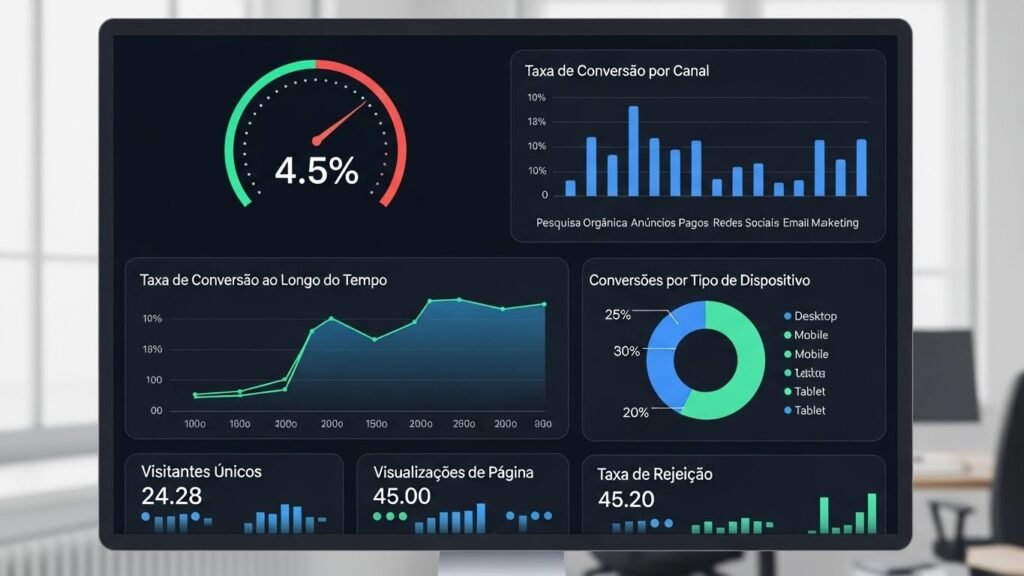
The conversion rate is one of the main UX indicators. It shows how many of your visitors are completing the desired action, such as making a purchase, filling out a form, or subscribing to a service.
A high conversion rate indicates that your users are finding what they’re looking for and completing tasks with ease. A low rate, on the other hand, may be a sign that something in your user journey needs to be adjusted.
2. Time on Site
Another important factor in evaluating UX is how long your users stay on your site. The more time they spend browsing and interacting with your content, the more engaged they are.
A longer time on site suggests that your customers are finding value and relevance in what you offer. Therefore, it’s a great indicator that your user experience is on the right track.
3. Bounce Rate and Exit Rate
Bounce rate and exit rate are also essential metrics for evaluating your site’s UX. The exit rate shows how many users leave your site after viewing only one page, while the bounce rate indicates how many visitors entered and left without interacting with the content.
Low bounce and exit rates are positive signs, as they indicate that your users are finding what they’re looking for and engaging with your site.
4. User Experience Satisfaction
Measuring user satisfaction is fundamental to understanding whether your UX is truly meeting your customers’ expectations. You can collect feedback through surveys, reviews, and comments.
Indicators such as Net Promoter Score (NPS), Customer Satisfaction (CSAT), and Single Ease Question (SEQ) are excellent tools for evaluating user satisfaction and identifying areas for improvement.
5. Usability and Accessibility
Finally, your site’s usability and accessibility are also crucial aspects of UX. Indicators such as ease of navigation, content clarity, and compatibility with different devices and assistive technologies are essential for ensuring a positive experience.
After all, there’s no point in having a beautiful site packed with features if your users can’t find what they’re looking for or access it easily.
Conclusion
Tracking these 5 UX indicators is essential for evaluating whether your website is truly meeting your users’ needs and expectations. Continuously monitoring them will help you identify improvement opportunities and implement changes that will directly impact your customers’ experience.
So make sure to keep an eye on these important indicators. Invest in continuous UX improvement for your site and see the results reflected in engagement, conversions, and user satisfaction.
Want your business to generate sales and traffic? Contact Us! And take your business to the next level!
To deepen your knowledge, also check out: